12 Must-Try Foods in Ho Chi Minh City (2026 Update)
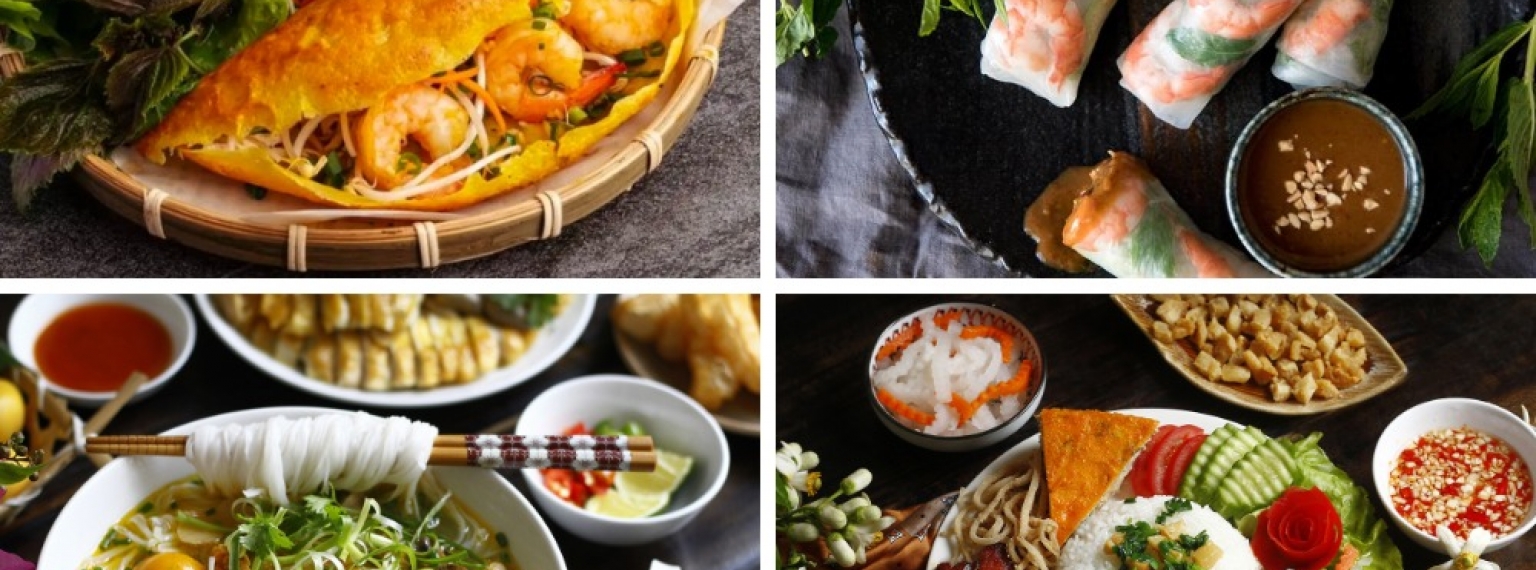
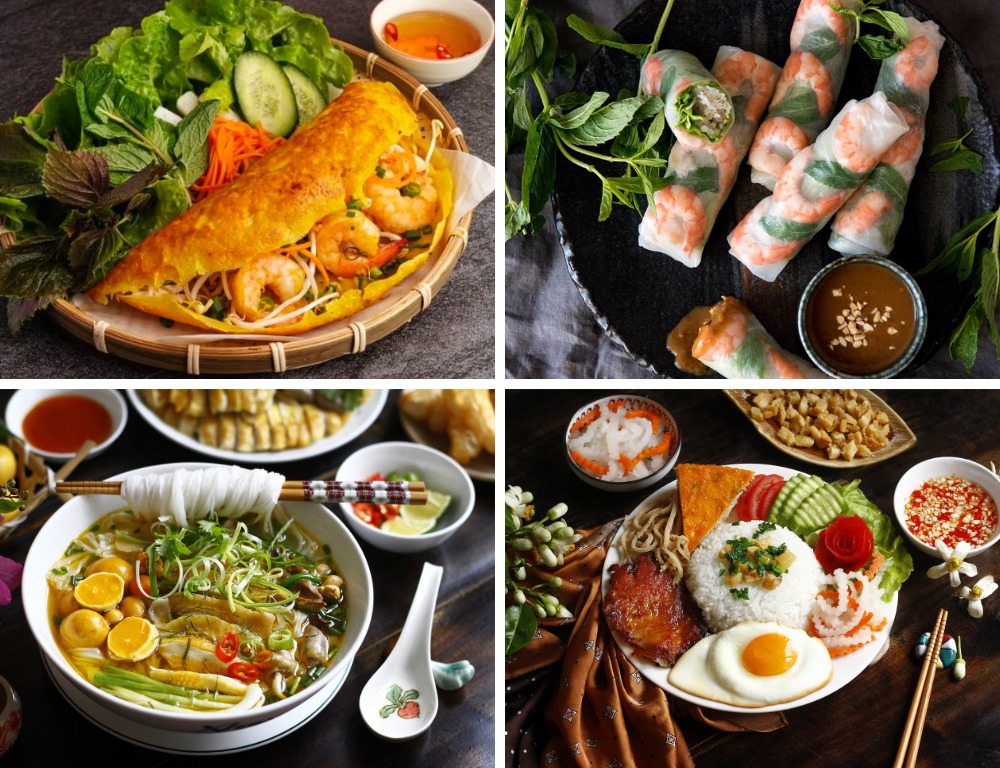
Ho Chi Minh City is Vietnam’s most exciting food destination. From iconic street food like bánh mì and cơm tấm to bold local specialties such as phá lấu and ốc, Saigon’s cuisine reflects its fast pace, Southern flavors, and multicultural roots. This guide covers the 12 dishes you should not miss in 2026, plus tips on when and where to eat them safely and enjoyably.
Why Ho Chi Minh City Is Vietnam’s Food Capital
Ho Chi Minh City, still affectionately called Saigon by locals, is a city that eats around the clock. Food here is not an event; it is a lifestyle. Sidewalk stalls open before sunrise, lunch spots overflow by noon, and late-night vendors keep cooking well past midnight. Unlike more traditional northern cuisine, Saigon food leans sweeter, bolder, and more generous in herbs, sauces, and toppings.
What makes Saigon special in 2026 is the way tradition and evolution coexist. Classic dishes remain untouched at their core, while hygiene, presentation, and ingredient quality continue to improve. Street food culture is stronger than ever, supported by younger vendors, better sourcing, and a growing appreciation for local culinary heritage.
What Defines Saigon Cuisine in 2026
Southern Vietnamese cooking emphasizes balance rather than strict rules. Dishes often combine sweet, salty, sour, and herbal notes in a single bite. Influences from Chinese, Khmer, and French cuisines are deeply embedded, especially in noodles, braised dishes, and baked goods.
In 2026, Saigon food culture is defined by three things. First, accessibility: great food is available at every price point. Second, flexibility: dishes are customizable and often served with optional condiments. Third, social dining: meals are casual, shared, and rarely rushed.
12 Must-Try Foods in Ho Chi Minh City
1. Banh Mi Saigon
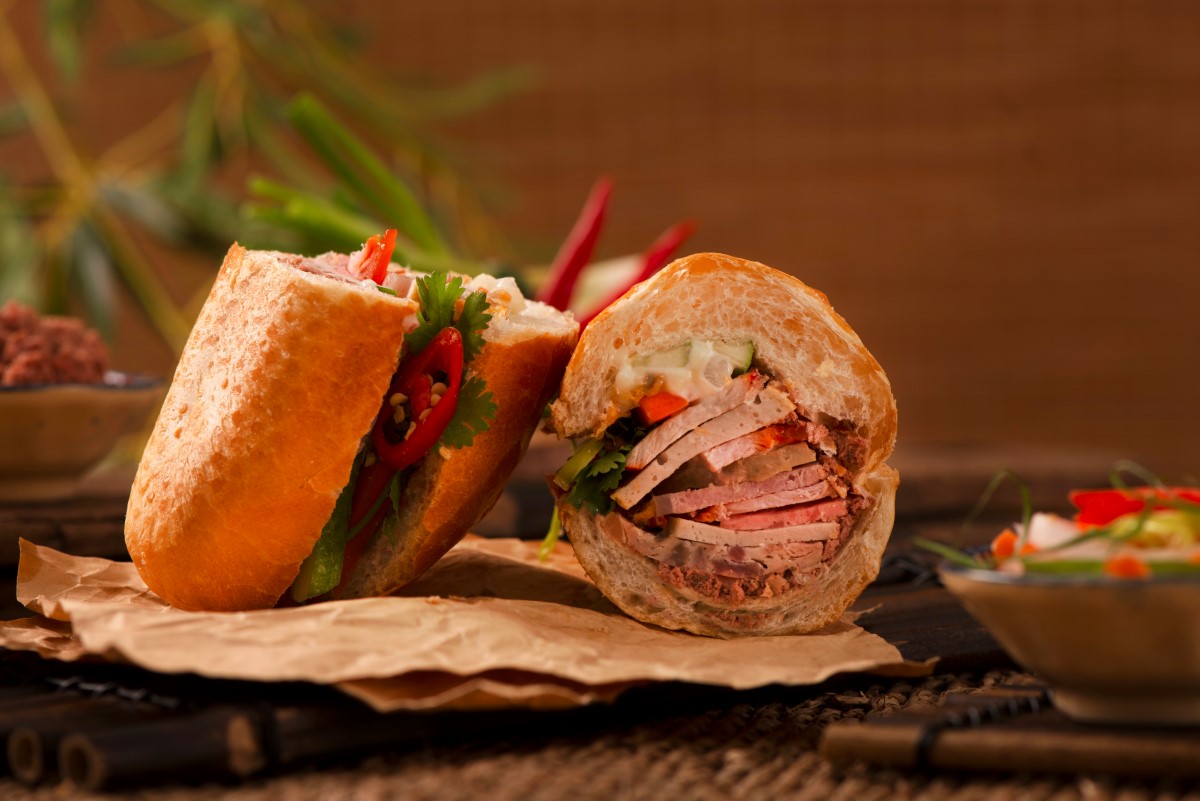
Saigon’s bánh mì is lighter, crispier, and more generously filled than versions found elsewhere. A proper bánh mì combines crusty bread, rich pâté, savory meats, pickles, herbs, and chili, all balanced in a few handheld bites.
2. Cơm Tấm (Broken Rice)
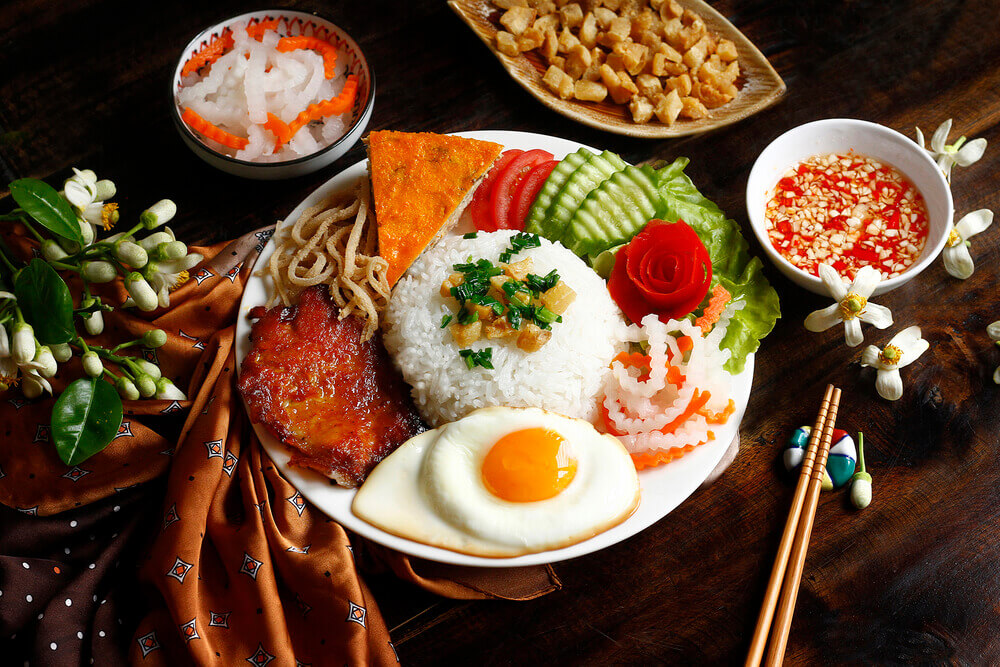
Once a working-class meal, broken rice has become the city’s most iconic dish. Grilled pork chops, shredded pork skin, fried egg, and fish sauce transform humble rice fragments into a deeply satisfying Saigon staple.
3. Hủ Tiếu (Rice Noodle)
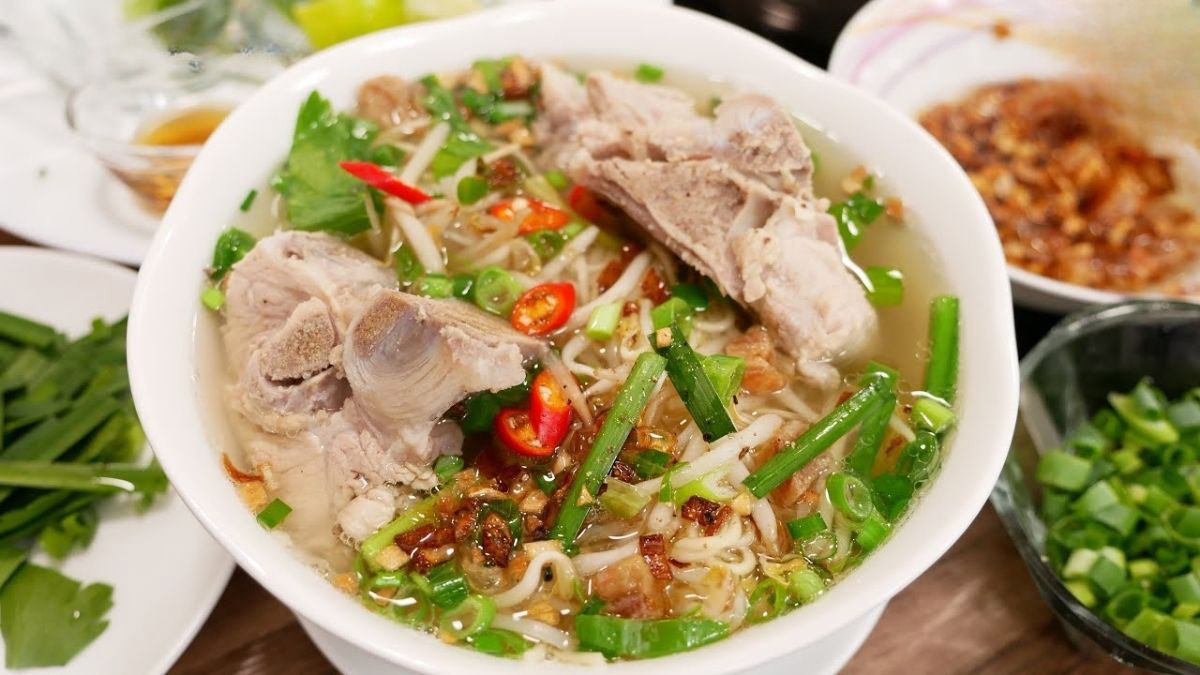
Hủ tiếu reflects Saigon’s Chinese influence and adaptability. It can be served dry or with broth, topped with pork, seafood, or beef, and customized with herbs and sauces depending on personal taste.
4. Phở (Southern Style)
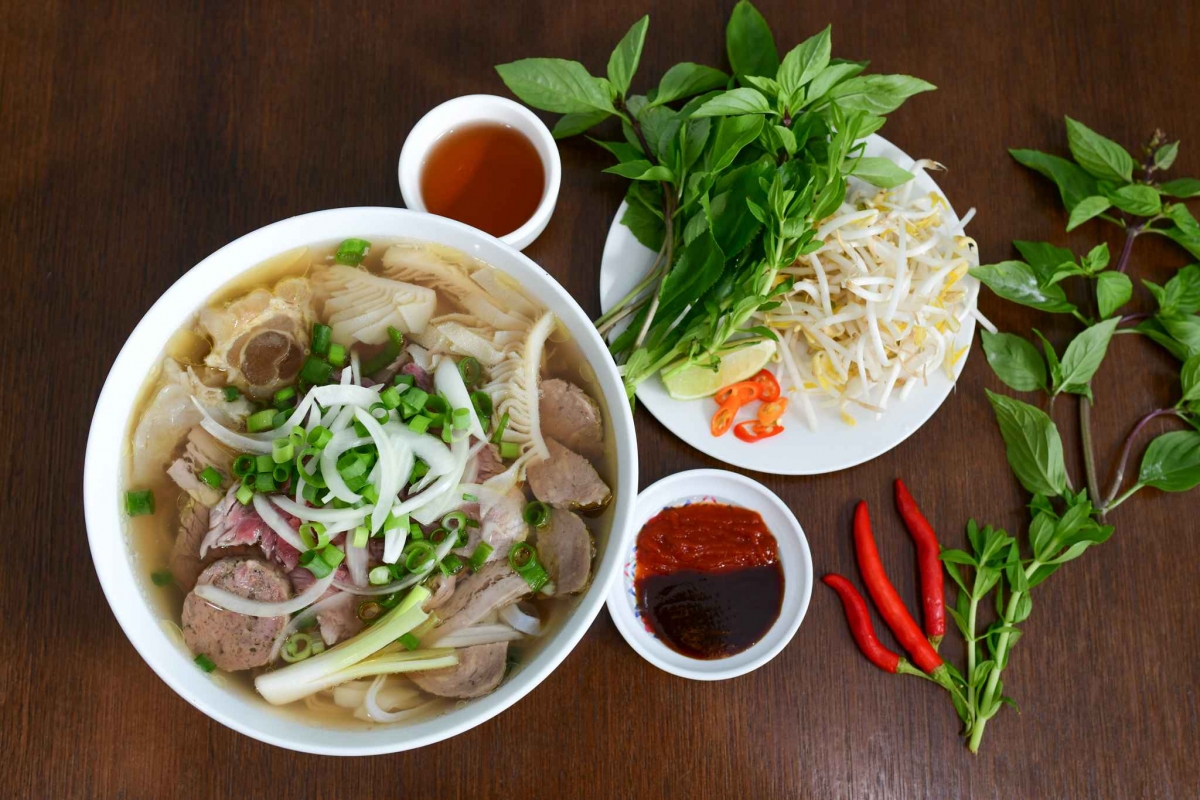
Southern phở is sweeter and more aromatic, served with abundant herbs, bean sprouts, and condiments. The flexibility to season your bowl is what distinguishes Saigon phở from its northern counterpart.
5. Bún Thịt Nướng (Grilled Pork Vermicelli Noodle)
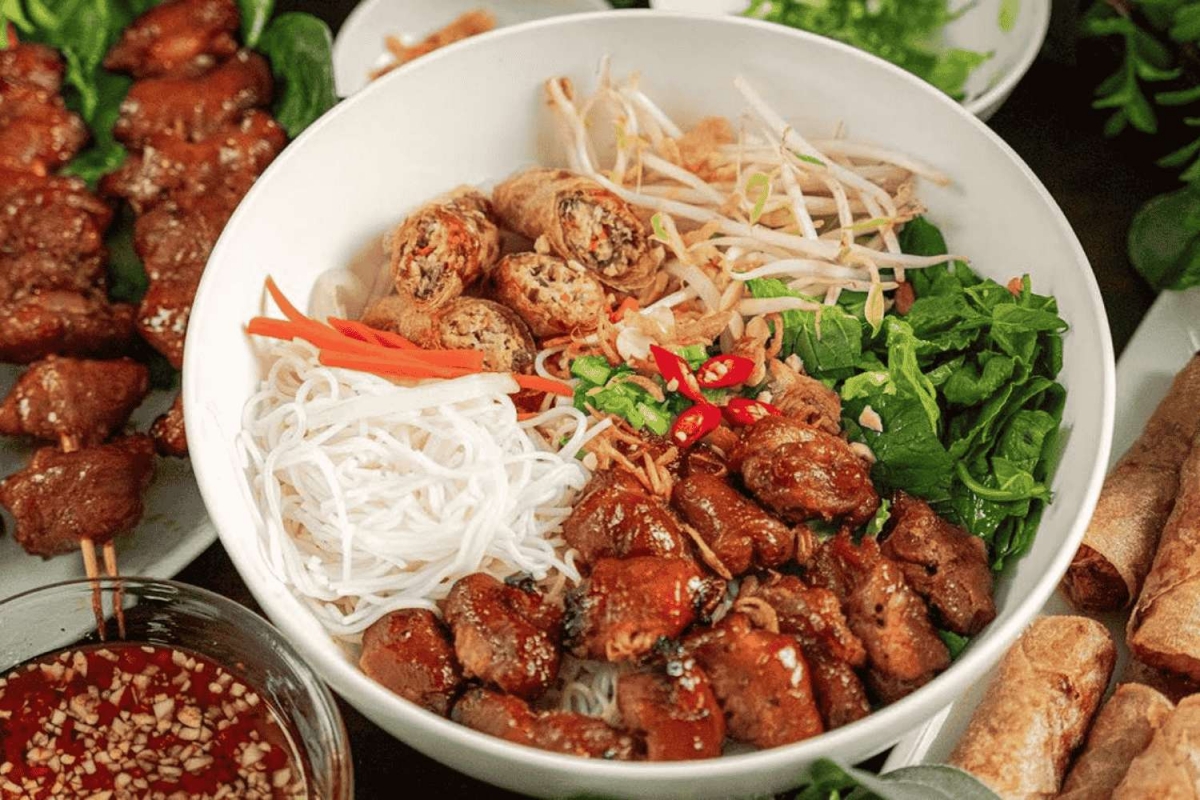
This dish showcases balance at its best. Grilled pork, vermicelli noodles, fresh herbs, pickled vegetables, and fish sauce come together to create a meal that is filling without feeling heavy.
6. Bánh Xèo (Crispy Vietnamese Pancake)
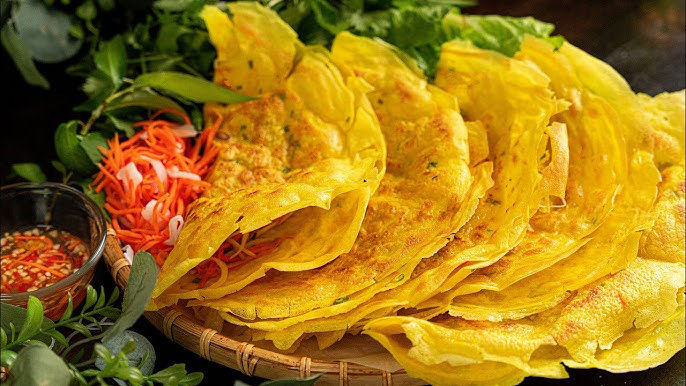
Saigon-style bánh xèo is larger, crispier, and packed with fillings. Shrimp, pork, and bean sprouts are wrapped in leafy greens and dipped into sweet-savory sauce for a hands-on dining experience.
7. Gỏi Cuốn (Spring Roll)
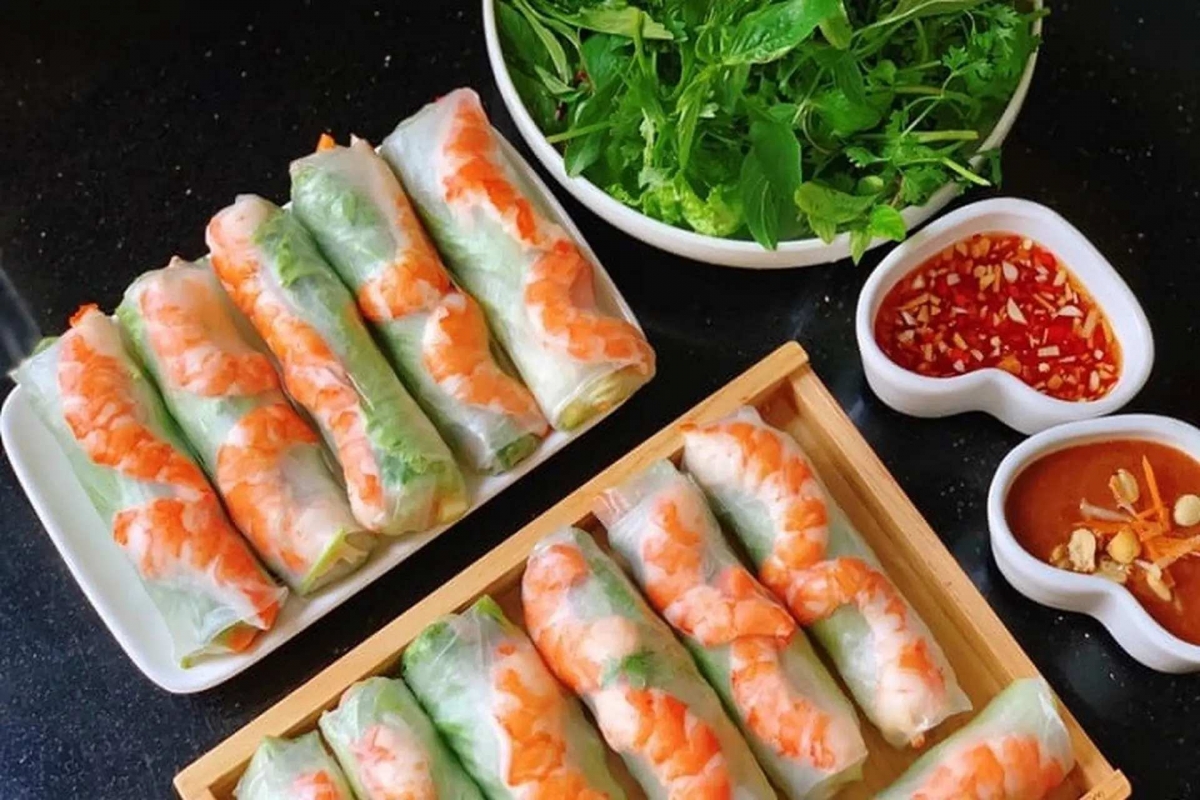
Fresh spring rolls highlight Saigon’s love for clean, herb-forward flavors. Rice paper wraps shrimp, pork, noodles, and greens, served with peanut or fish sauce for dipping.
8. Ốc (Vietnamese Snails)
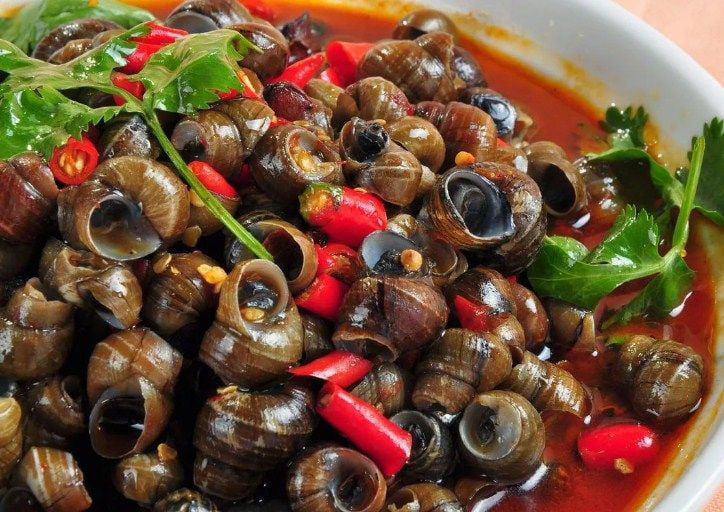
Snail dining is a social ritual in Saigon. Dishes range from garlic butter to chili lemongrass, often eaten late at night with friends over cold drinks and lively conversation.
9. Phá Lấu (Braised Beef)
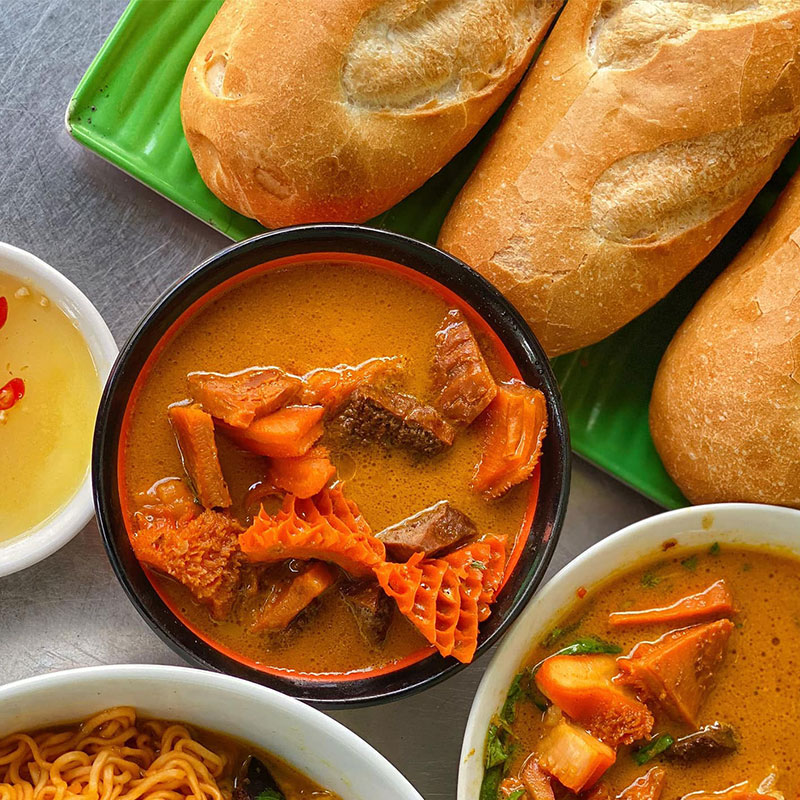
This bold street food features braised offal cooked slowly in coconut milk and spices. Rich, aromatic, and intensely local, phá lấu is a true Saigon specialty.
10. Bò Lá Lốt
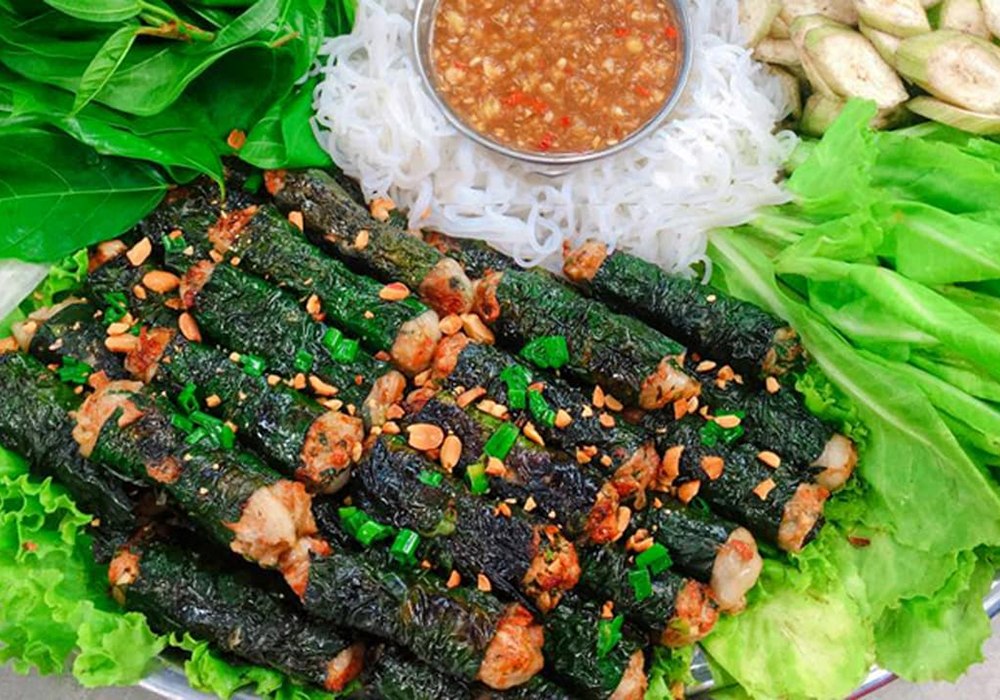
Minced beef wrapped in betel leaves and grilled over charcoal delivers smoky flavor and herbal depth. It is commonly served with rice paper, herbs, and dipping sauce.
11. Bánh Tráng Nướng - “Vietnamese Pizza”
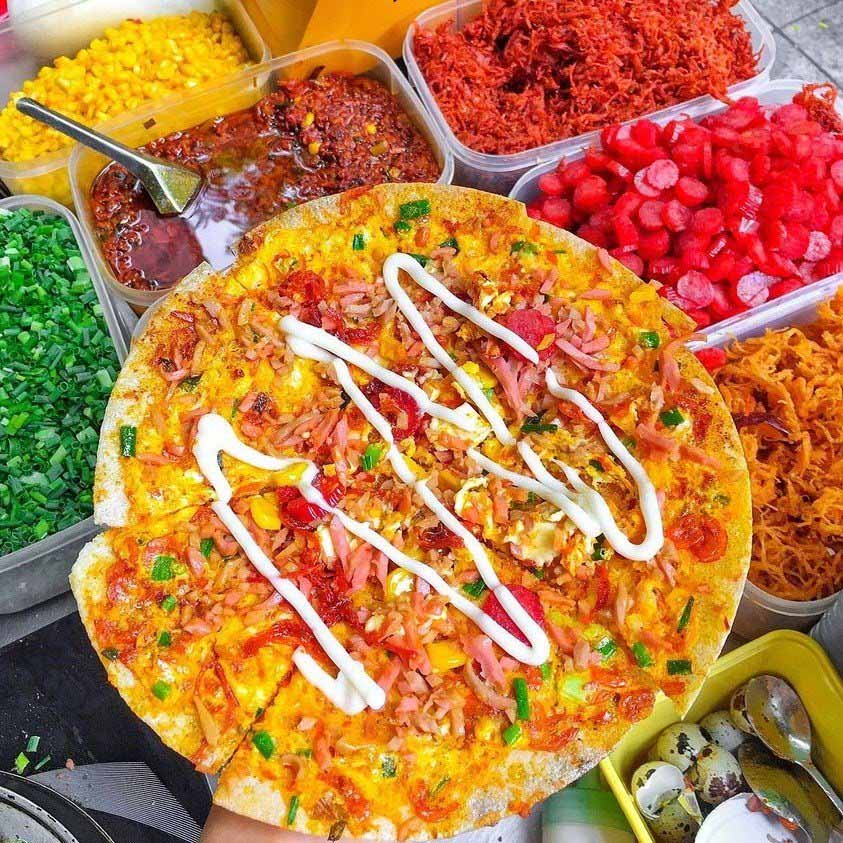
Traveling to Saigon without trying bánh tráng nướng would be a huge miss. This is one of Saigon’s most famous street snacks, easy to find almost everywhere in the city. The rice paper is grilled over hot charcoal until crispy, then topped with flavorful ingredients like Chinese sausage and dried meat to make it even more irresistible.
12. Soy Milk & Street Desserts

Soy milk, chè, and modern Vietnamese desserts round out the Saigon food experience. These light, sweet treats are often enjoyed as snacks rather than formal desserts.
Where to Eat in Ho Chi Minh City
Food in Saigon is not confined to restaurants. District 1 offers convenience and variety, District 3 is known for long-standing local eateries, District 5 highlights Chinese-Vietnamese cuisine, and residential neighborhoods hide some of the city’s best street food. Busy stalls with high turnover are often safer and more flavorful than empty ones.
Best Time to Eat & Local Food Etiquette
Saigon eats late. Dinner commonly stretches into the evening, and street food peaks after sunset. Meals are informal, shared, and rarely quiet. It is normal to customize dishes, eat quickly, and move on without lingering. Respect the flow, observe locals, and you will blend in naturally.
Food Safety Tips for 2026 Travelers
Food safety has improved significantly, but smart choices still matter. Choose vendors with visible food preparation, fresh ingredients, and steady crowds. Stay hydrated, ease into richer dishes, and do not hesitate to ask what ingredients are used if you have dietary concerns.
Conclusion: Eating Your Way Through Saigon
Ho Chi Minh City is best understood through its food. Each dish tells a story of migration, adaptation, and everyday life. In 2026, Saigon remains one of Asia’s most exciting cities to eat your way through, offering unforgettable flavors at every turn, from humble sidewalks to bustling local kitchens.
If you want to experience the real Saigon, start with what’s on the plate.