
Phu Quoc Weather & Best Time to Visit: Ultimate 2026 Weather Guide
Phu Quoc enjoys a tropical island climate with warm weather throughout the year, but the travel experience changes dramatically depending on the season.

Phu Quoc Weather & Best Time to Visit: Ultimate 2026 Climate Guide
Over the past decade, Phu Quoc has transformed into Vietnam’s most recognizable tropical island destination. What was once known primarily as a quiet fishing island has evolved into a major tourism hub filled with luxury beachfront resorts, island-hopping tours, modern entertainment developments, and some of the country’s most beautiful beaches.
But while Phu Quoc remains warm all year long, choosing the right time to visit can completely shape the experience.
Unlike destinations with four distinct seasons, Phu Quoc’s climate revolves around tropical weather patterns. The island essentially experiences two major periods: a dry season defined by sunshine and calm seas, and a rainy season marked by tropical showers, humidity, and greener landscapes. Understanding these seasonal differences is essential for travelers planning beaches, snorkeling excursions, golf vacations, or resort escapes in 2026.
Fortunately, each season offers its own atmosphere and advantages depending on the type of trip you want.
Understanding Phu Quoc’s Tropical Climate

Phu Quoc sits in the Gulf of Thailand and enjoys a tropical monsoon climate that keeps temperatures warm throughout the year. Unlike northern Vietnam, where winters can become cool and foggy, the island maintains a consistently tropical atmosphere with average temperatures generally ranging between 25°C and 32°C.
The biggest seasonal difference in Phu Quoc is not temperature, but rainfall and sea conditions.
This distinction is important because it means travelers rarely need to worry about cold weather. Instead, planning revolves around questions such as How calm will the ocean be? Whether skies are sunny or cloudy? How suitable are the conditions for beaches and boat tours? Whether you prefer peak tourism energy or quieter island scenery
Humidity also remains relatively high year-round, reinforcing the island’s tropical identity. Palm-lined beaches, warm sea breezes, and lush vegetation are part of the Phu Quoc experience regardless of season.
However, the island can feel dramatically different between January and August.
Dry Season in Phu Quoc (November – April)

For most travelers, the dry season is unquestionably the best time to visit Phu Quoc.
From roughly November through April, the island experiences its most stable and visually beautiful weather conditions. Sunny skies dominate much of the season while rainfall drops significantly compared to the wetter summer months. Ocean conditions also become calmer, helping beaches appear clearer, brighter, and more postcard-like.
This is when Phu Quoc most closely resembles the tropical island paradise promoted across tourism campaigns and social media.
The atmosphere during dry season feels vibrant and energetic. Resorts operate at full capacity, beach clubs become livelier, and sunset experiences along the western coastline become one of the island’s defining attractions.
Popular destinations such as Long Beach and Sao Beach appear especially beautiful during this period thanks to calmer water and stronger sunlight reflecting off the sea.
For travelers interested in snorkeling or island hopping, this season also offers the best visibility conditions. Southern island tours become significantly more reliable due to calmer waters and clearer skies, allowing boat excursions and beach activities to operate more smoothly.
December through March are generally considered the absolute peak months. During this period, the island experiences its most balanced weather with lower humidity, comfortable sea breezes, and highly consistent sunshine.
It is also the busiest time of year.
As Phu Quoc continues growing internationally, demand during peak season has increased substantially. Luxury beachfront resorts often fill quickly during Christmas, Lunar New Year, and major international holiday periods. Travelers planning visits during these months should ideally book accommodations and flights well in advance.
Still, there is a reason this season remains so popular.
The combination of tropical warmth, calm beaches, and reliable sunshine creates the quintessential Phu Quoc experience many travelers seek.
Rainy Season in Phu Quoc (May – October)
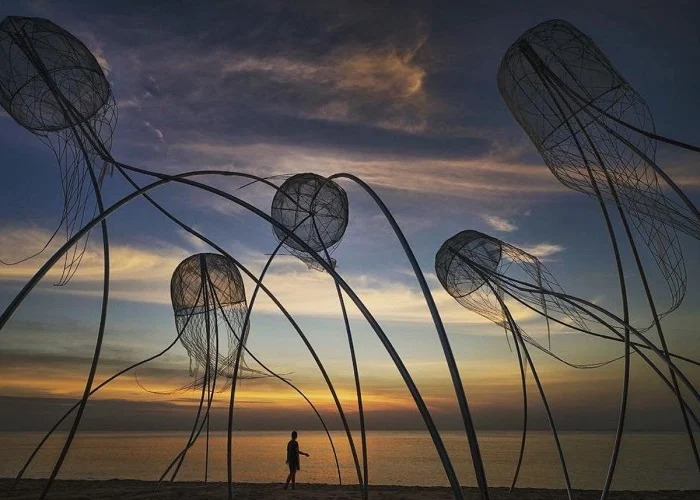
While many travelers automatically avoid tropical rainy seasons, the wet months in Phu Quoc offer a very different — and sometimes surprisingly appealing — side of the island.
From May through October, tropical rainfall becomes more frequent as humidity rises and weather patterns become less predictable. Afternoon showers and cloudy skies become increasingly common, especially between July and September when rainfall typically reaches its annual peak.
However, rainy season in Phu Quoc is rarely as simple as “constant rain.”
Many showers arrive intensely but briefly before giving way to clearer skies later in the day. Weather conditions can also vary dramatically between different parts of the island within short periods of time.
What changes most noticeably during rainy season is the atmosphere.
The island becomes greener, quieter, and slower-paced. Tourist crowds thin significantly, beaches feel less commercialized, and the overall environment takes on a calmer tropical character. Travelers looking for peaceful resort stays or slower island experiences may actually find this period more enjoyable than peak season.
Luxury resorts also occasionally offer more attractive pricing outside the busiest travel months, making rainy season appealing for travelers prioritizing relaxation rather than packed itineraries.
That said, some activities do become less reliable.
Boat tours and island-hopping excursions are more vulnerable to weather disruptions due to rougher sea conditions. Ocean visibility for snorkeling may also decrease depending on rainfall and currents. Travelers visiting during this period should therefore remain flexible with outdoor plans.
But for those comfortable with tropical climates, rainy season can reveal a softer and more authentic side of Phu Quoc that many peak-season visitors never experience.
What is the Best Time to Visit Phu Quoc?

The “best” time to visit Phu Quoc ultimately depends on the kind of experience you want from the island.
Travelers seeking classic tropical beach vacations with maximum sunshine and calm seas should prioritize the dry season between December and April. This is the ideal period for luxury resort stays, beach photography, island hopping, and snorkeling excursions.
Meanwhile, travelers who prefer quieter destinations, lower crowd levels, and more relaxed resort atmospheres may appreciate the rainy season despite occasional showers.
For honeymoon travelers and luxury tourism experiences, January through March remains the island’s most premium period thanks to consistently beautiful weather and excellent beach conditions.
Budget-conscious travelers, however, may find better value during the greener off-season months when tourism demand decreases slightly.
This flexibility is one of Phu Quoc’s greatest strengths as a travel destination. The island never fully “shuts down” seasonally the way some tropical destinations do.
Instead, the atmosphere simply changes.
Monthly Weather Breakdown in Phu Quoc
January is widely considered one of the island’s most comfortable months, combining sunshine, calmer seas, and relatively lower humidity. February continues these excellent conditions and is especially popular for international travelers escaping colder winter climates elsewhere.
March remains sunny and warm while often providing some of the clearest beach conditions of the year. April becomes noticeably hotter as the island gradually transitions toward rainy season.
By May, tropical showers begin appearing more regularly, though many days still remain bright and enjoyable. June and July bring stronger rainfall patterns, greener landscapes, and increased humidity across the island.
August and September are typically among the wettest months, with more unpredictable weather and rougher sea conditions affecting some island activities. However, these months also deliver the quietest tourism atmosphere.
October acts as a transitional period where rainfall gradually decreases before the dry season fully returns in November. By December, Phu Quoc once again enters peak tourism mode as travelers arrive for tropical winter holidays.
>>> MORE ABOUT THE DESTINATION: Book your golf trip to Phu Quoc here
Sea Conditions & Beach Quality Throughout the Year
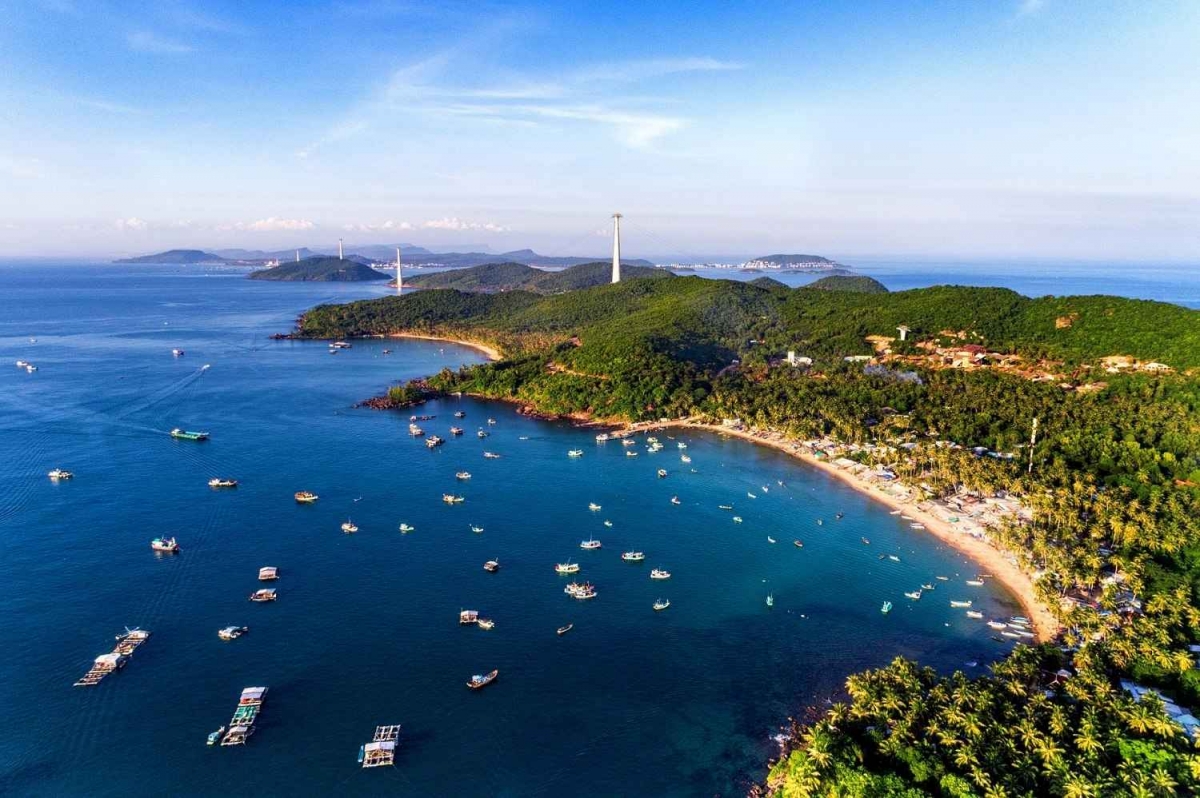
Sea conditions play a major role in shaping the Phu Quoc travel experience.
During dry season months, calmer water dramatically improves beach quality across much of the island. Swimming becomes easier, island transportation feels smoother, and snorkeling visibility improves significantly. Beaches such as Khem Beach and Sao Beach become especially scenic during this period thanks to brighter turquoise water and softer wave conditions.
The western coastline also delivers some of Vietnam’s most memorable sunset scenery during dry season, particularly around Long Beach and Ong Lang Beach.
During rainy season, stronger winds and rougher ocean conditions occasionally affect beaches and boat routes, particularly for southern island tours. While swimming remains possible throughout much of the year, travelers should always monitor local sea conditions before participating in open-water activities.
What to Pack for Phu Quoc Weather
Regardless of season, travelers should prepare for a warm tropical climate.
Light clothing, sunscreen, sunglasses, sandals, and breathable fabrics remain essential year-round due to humidity and strong sunlight. Even during rainy season, temperatures typically stay warm enough for beachwear and tropical clothing.
Travelers visiting during wetter months should additionally pack lightweight rain jackets, waterproof bags, and quick-dry clothing. Tropical showers can arrive suddenly, especially during afternoon hours.
Comfort and flexibility are far more important than formal packing in Phu Quoc’s relaxed island environment.
Final Thoughts
Phu Quoc offers one of Vietnam’s most accessible and enjoyable tropical climates, but the island’s atmosphere changes significantly throughout the year.
For travelers seeking postcard-perfect beaches, calm seas, and classic island weather, the dry season between November and April remains the ideal period to visit. Meanwhile, travelers open to greener scenery, occasional tropical rain, and quieter island experiences may discover an entirely different charm during the wetter months.
Either way, Phu Quoc continues proving why it has become Vietnam’s leading tropical island destination in 2026 — not just because of its beaches or resorts, but because of the warm island atmosphere that exists all year long.
Like what you’re reading? Find more of our inspirations here