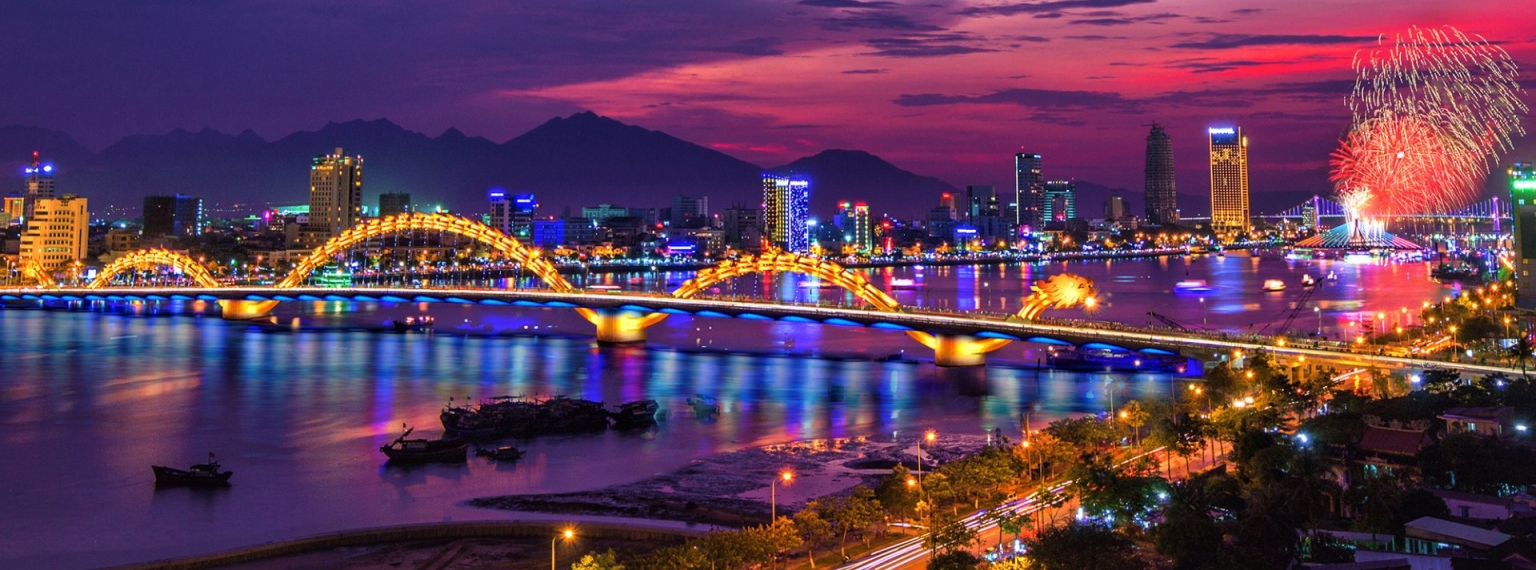
Vietnam Ranked Among the World’s 28 Most Beautiful Countries
According to Condé Nast Traveler, Vietnam has officially made it into the list of the 28 most beautiful countries in the world, earning recognition as a true paradise for outdoor experiences and nature lovers.
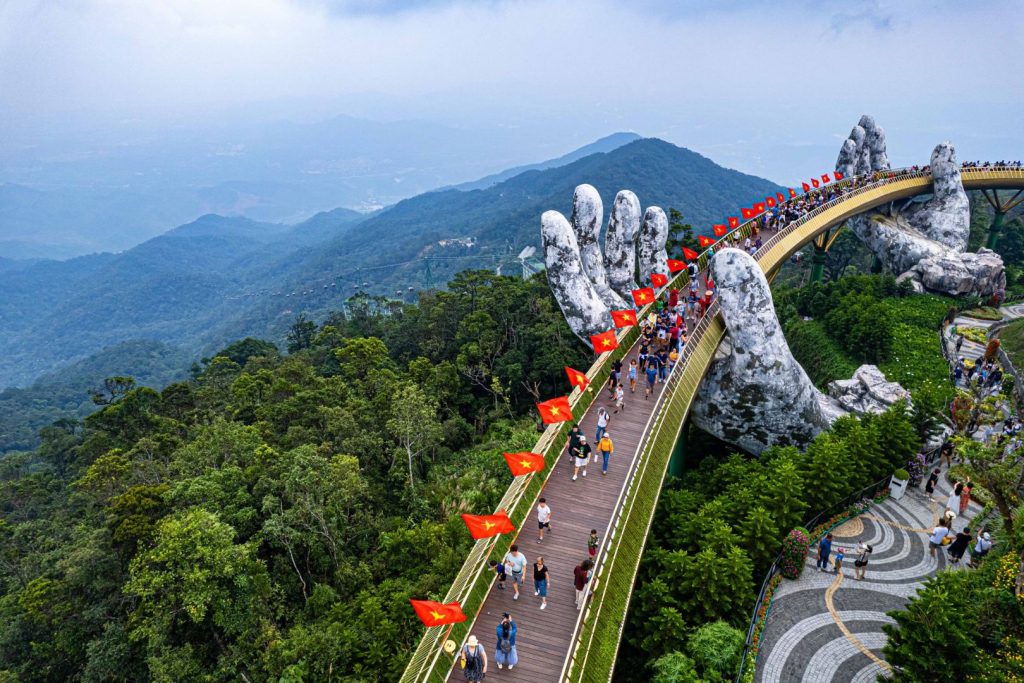
With its diverse landscapes stretching from mountains to coastlines, Vietnam stands out as a destination that offers both dramatic natural scenery and deep cultural richness. While beauty is always subjective and shaped by individual travel experiences, the world undeniably holds countless wonders—from ancient rock formations to endless salt fields and modern architectural marvels. Within that global picture, Vietnam emerges as a destination that brings together both natural grandeur and cultural depth in a uniquely balanced way.
A Destination Defined by Nature and Diversity
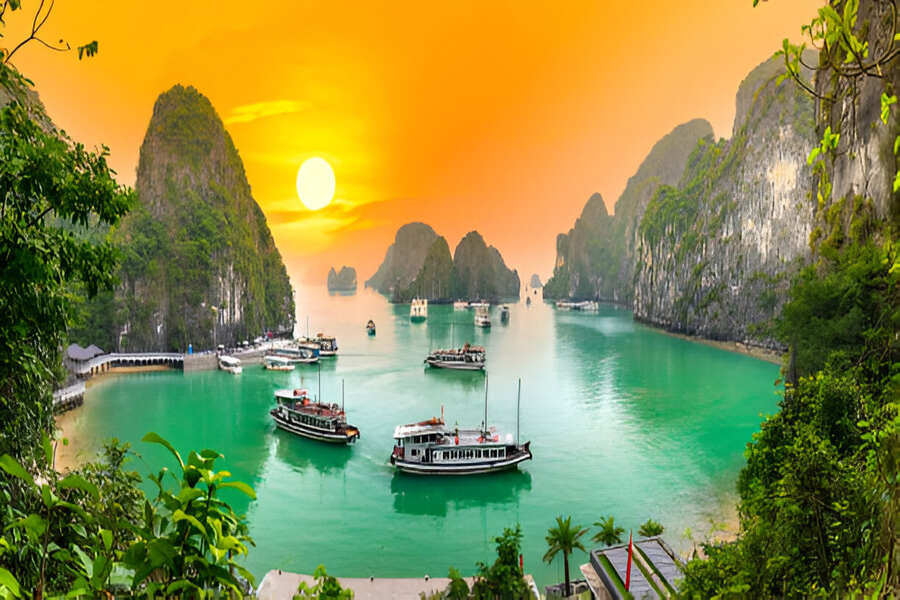
One of the most iconic highlights mentioned is Ha Long Bay, famous for its emerald waters and thousands of limestone karsts rising dramatically from the sea. Covered in lush tropical ecosystems, the bay has become one of Vietnam’s most recognizable travel symbols worldwide.
Beyond the coastline, northern regions like Ha Giang are praised for their rugged mountain landscapes, terraced rice fields, and winding mountain passes. These areas are especially appealing to travelers who enjoy trekking, road trips, and immersive nature exploration.
In central Vietnam, Hue adds cultural and historical depth to the country’s tourism appeal. With its ancient imperial architecture and heritage sites, Hue offers a glimpse into Vietnam’s royal past and long-standing traditions.
Meanwhile, tropical destinations like Phu Quoc continue to attract international visitors with their beaches, island resorts, and opportunities for snorkeling and marine exploration.
Vietnam’s Cities Also Gain Global Recognition
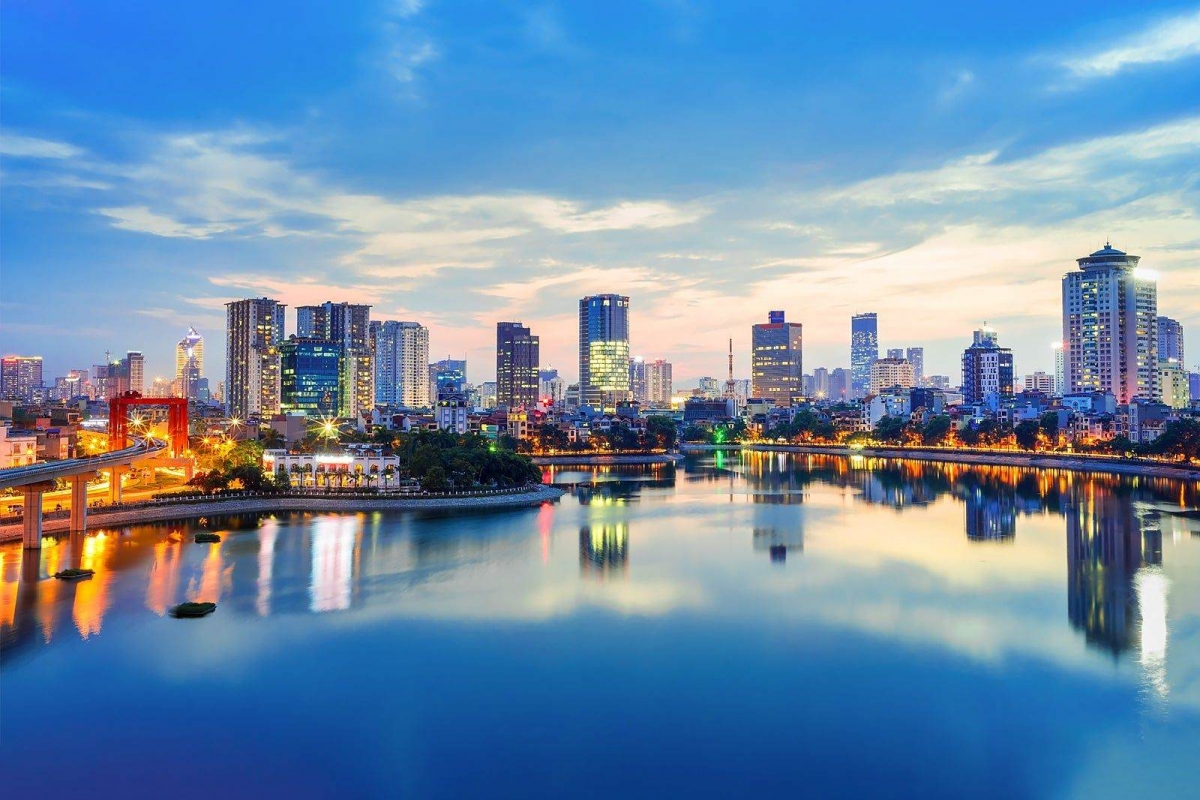
In addition to natural beauty, Vietnam’s urban destinations are also gaining international attention. Time Out recently ranked the world’s 50 best cities to live and explore, featuring both Hanoi and Ho Chi Minh City.
Hanoi ranked 25th and was described as a fascinating blend of old and new, with a transformation that feels “remarkable.” The city is especially loved for its café culture and food scene, with a large majority of locals recommending visitors spend time enjoying both.
Ho Chi Minh City, ranked 38th, was labeled a “city that never sleeps.” Its nonstop energy, busy intersections, and fast-paced lifestyle reflect a dynamic urban environment where, according to surveys, a high percentage of residents report feeling happy living there.
A Tourism Industry on the Rise
Recognition from global travel publications is expected to further elevate Vietnam’s image on the international stage. According to the Vietnam National Authority of Tourism, the country has entered a new growth phase following its post-pandemic recovery.
Vietnam is also ranked among the fastest-growing international tourism markets by UN Tourism, reflecting its increasing competitiveness in the global travel landscape.
The numbers back this up. In 2025, Vietnam welcomed approximately 21.2 million international visitors, marking a significant increase compared to both 2024 and pre-pandemic levels in 2019. This milestone represents the first time the country has surpassed 21 million international arrivals.
Momentum has continued into 2026, with nearly 2.5 million international visitors in January alone—the highest monthly figure ever recorded. This growth highlights not only expanding market demand but also growing confidence in Vietnam as a travel destination.
What’s Driving Vietnam’s Travel Boom
Several key factors are fueling this strong growth. Asia remains the primary source market, accounting for nearly 80% of total international arrivals, with China and South Korea leading the way. At the same time, markets are becoming more diverse and sustainable, with increasing arrivals from Europe, including Poland, the Czech Republic, and Switzerland.
Visa policies have played a major role in this shift. Vietnam has made travel more accessible by expanding visa exemptions, introducing multi-entry e-visas, and extending permitted stay durations. These changes have made it significantly easier for international travelers to plan longer and more flexible trips.
Air connectivity is another critical driver. The expansion of international flight networks, especially long-haul direct routes, has opened Vietnam to more distant markets and improved overall accessibility.
Equally important is the country’s stable political and social environment, which reinforces its reputation as a safe and welcoming destination for global travelers.
A More Diverse Travel Experience
Vietnam is also evolving beyond traditional tourism products. While beach, cultural, and nature tourism remain core offerings, newer segments are gaining traction. These include MICE tourism, wellness travel, golf tourism, railway journeys, and even film tourism—appealing to higher-spending and experience-driven travelers.
At the same time, tourism promotion strategies are becoming more modern and collaborative, with stronger public-private partnerships and increased investment in marketing initiatives.
Looking Ahead to 2026
With strong growth momentum and coordinated efforts from government, businesses, and local destinations, Vietnam’s tourism industry is entering a phase of rapid expansion. The goal of reaching 25 million international visitors in 2026 is not just an ambitious target—it reflects confidence in the country’s long-term potential.
From breathtaking landscapes and rich cultural heritage to vibrant cities and evolving travel experiences, Vietnam is positioning itself as one of the most compelling destinations in the world right now.